Supporting communities
in need.
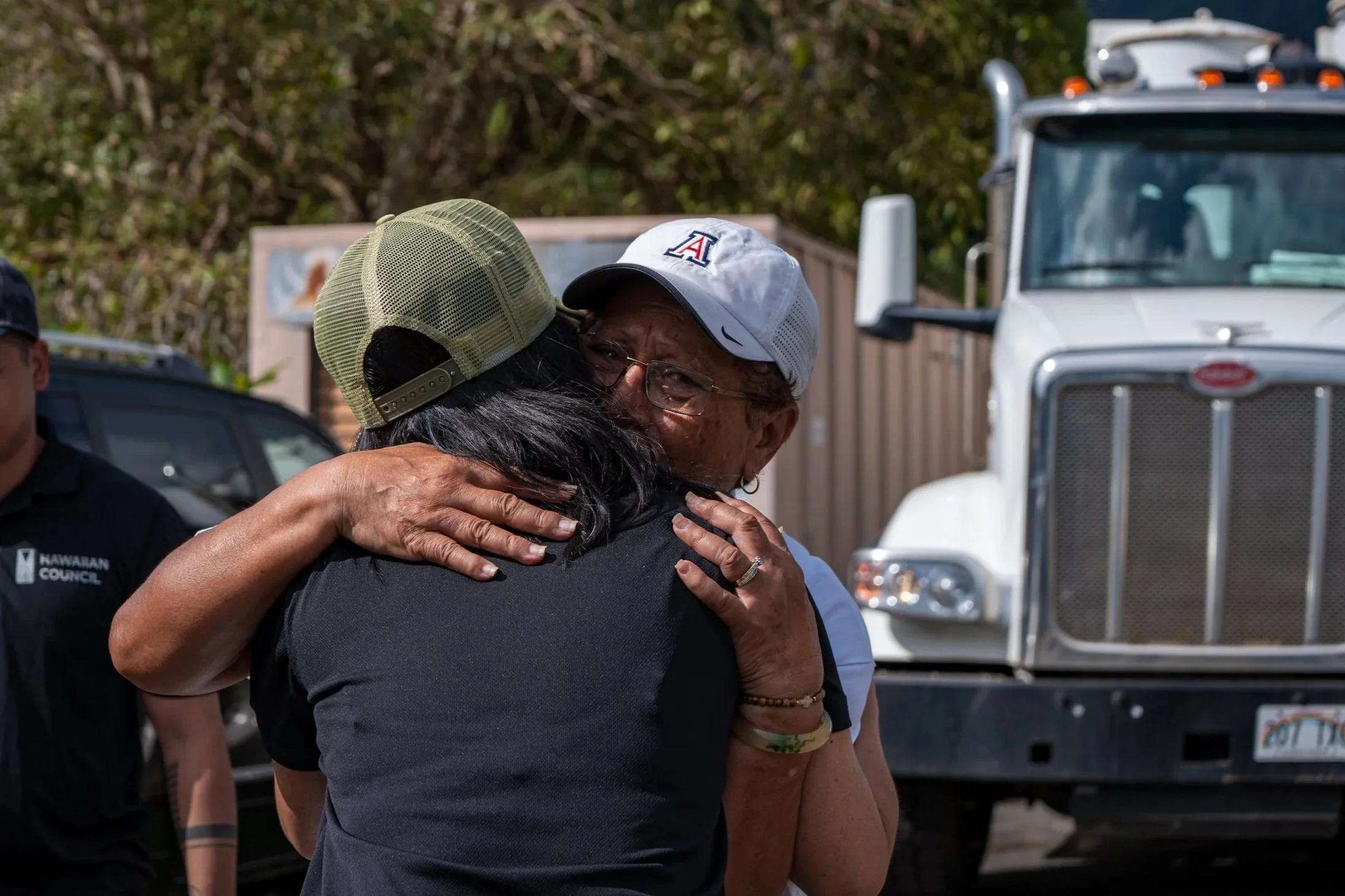
Kākoʻo Mai is a Hawaiian Council initiative created to support our Hawai‘i communities during times of disaster and recovery.
Need kōkua?
-
If you have been impacted, please take the needs assessment.
-
Phone: (808) 460-8698 or (808) 596-8155
Email: kakoomai@hawaiiancouncil.org -
Waialua United Church of Christ
67-174 Farrington Highway
Waialua, HI 96791Hours: Monday–Friday, 9:00 a.m. – 6:00 p.m.
-
Kākoʻo Maui Resource Center
153 E Kamehameha Ave, Ste 101,
Kahului, HI 96732Hours: Monday–Friday, 9:00 a.m. – 5:00 p.m.
Lahaina Gateway
325 Keawe Street, Suite B102
Lahaina, HI 96761Hours: Monday–Friday, 9:00 a.m. – 5:00 p.m.
-
The Host Housing Support Program provides financial assistance to households offering housing to individuals and families displaced by recent hurricanes and severe weather.
During the initial phase of this pilot program, qualifying host households can receive financial support of $500 per person each month, depending on the size of the displaced family they are accommodating. Hosts may receive a monthly stipend of up to $2,000, while funding opportunities continue.
Learn More

Donate to support Hawai‘i communities in need.
Help support individuals and communities during times of disasters and recovery.
Funding supports evolving recovery needs, including:
Housing stability services
Financial assistance
Transportation support
Disaster recovery programs
Community resilience initiatives
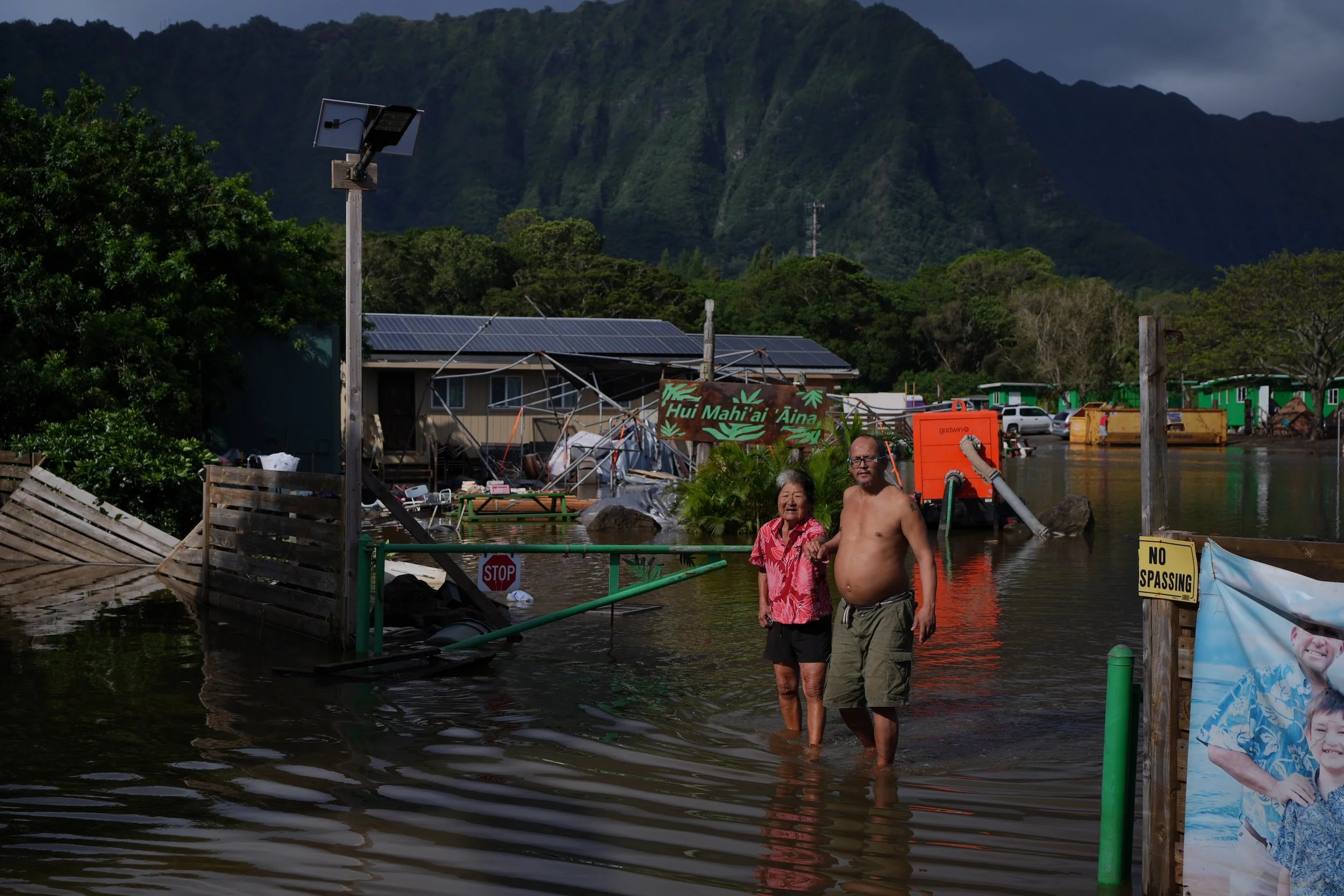
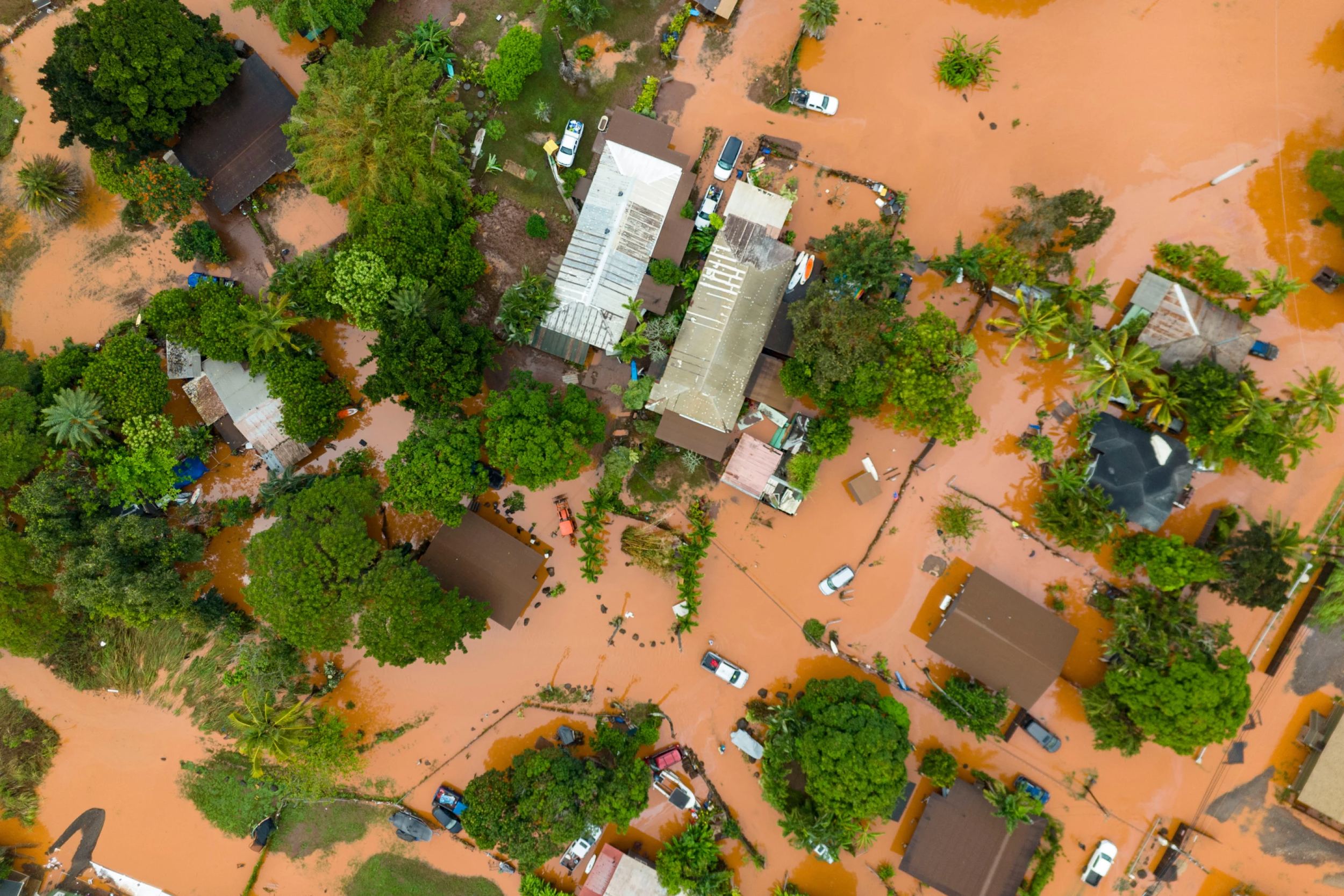
Today, Kākoʻo Mai is focused on assisting communities impacted by hurricanes and severe weather, while continuing to support individuals and families recovering from the 2026 Kona Low storms. As future disasters and emergencies arise, the fund will continue to evolve, ensuring Hawaiian Council can respond quickly and effectively wherever help is needed.
By supporting the Kākoʻo Mai Disaster Relief Fund, you're helping ensure Hawaiian Council can respond immediately when disaster strikes and stand alongside our communities throughout the recovery journey.
Your donation is tax-deductible, and every dollar goes toward supporting individuals and families in need. A portion of contributions supports the administrative and operational capacity required to deliver this work effectively and at scale.
Recovery Strategy
Recovery requires balancing immediate response, interim stabilization, and long-term resilience.
Current efforts are focused on addressing urgent gaps identified directly through community engagement and ongoing needs assessments.
As government assistance programs continue to evolve, Hawaiian Council remains focused on identifying gaps where community support is still needed and developing equitable recovery programs that support communities through every phase of recovery.
Recovery Impact
Approximately $2.5 million raised
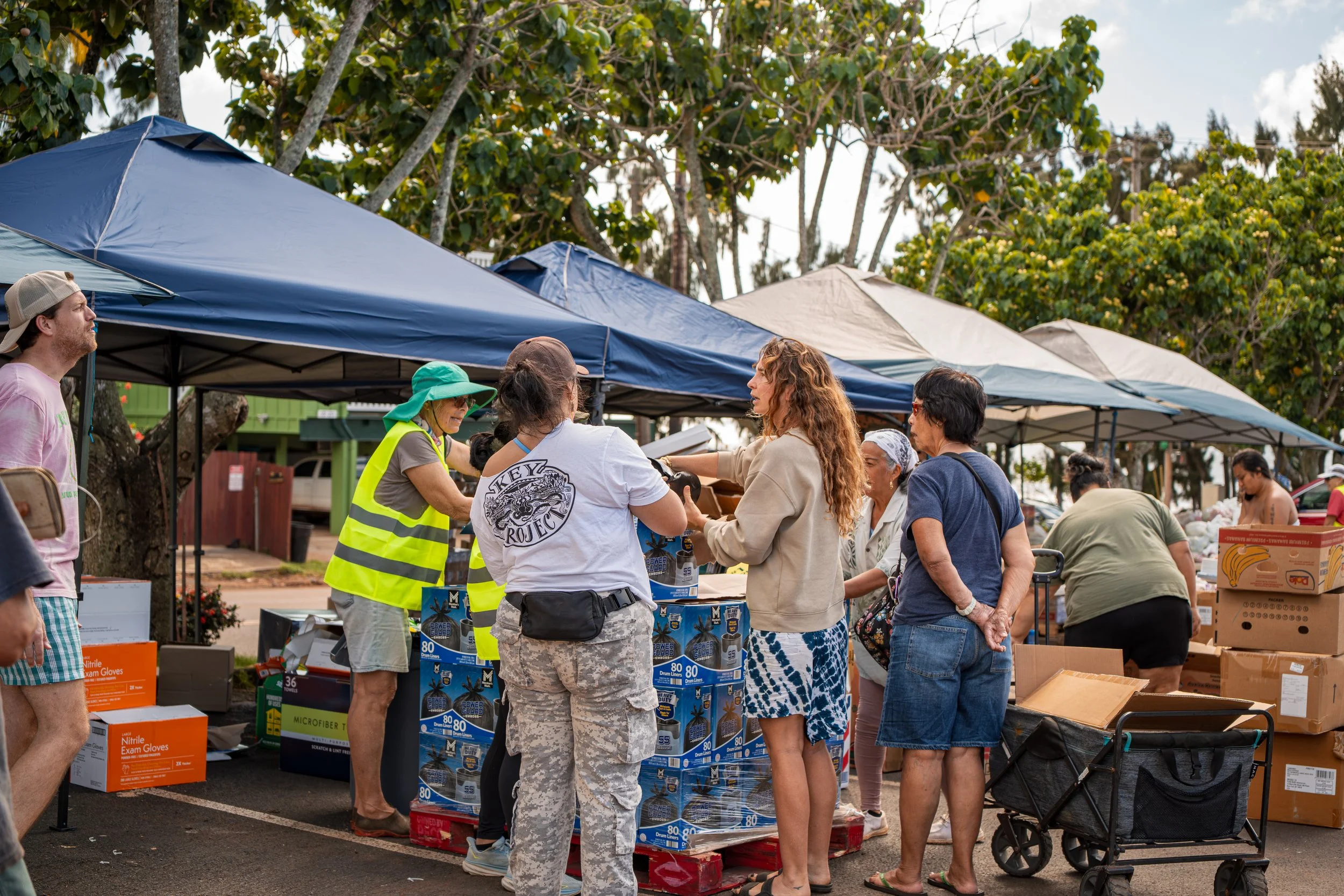
Nearly 350 individuals served through the Waialua Recovery Center
Over $400,000 distributed through vehicle replacement grants
Pumping and servicing of over 170 cesspools and septic tanks across Oʻahu
Over $175,000 distributed to nonprofits and local organizations supporting recovery efforts statewide
More than $80,000 in direct financial assistance through cash support and gift cards
$200,000+ invested in the North Shore Huakaʻi, a curated, subsidized transportation program that channels visitor spending directly to locally owned businesses, advancing the economic recovery and long-term vitality of the Waialua ahupuaʻa
To donate by check, please make it payable to:
Hawaiian Council
Write “Kākoʻo Mai” in the memo line
Mail to:
91-1270 Kinoiki Street, Bldg 1
Kapolei, HI 96707
Mahalo nui to our Partners